Do We Really Need More Stuff?
If you’ve ever hesitated to throw something away, this story might speak to you.

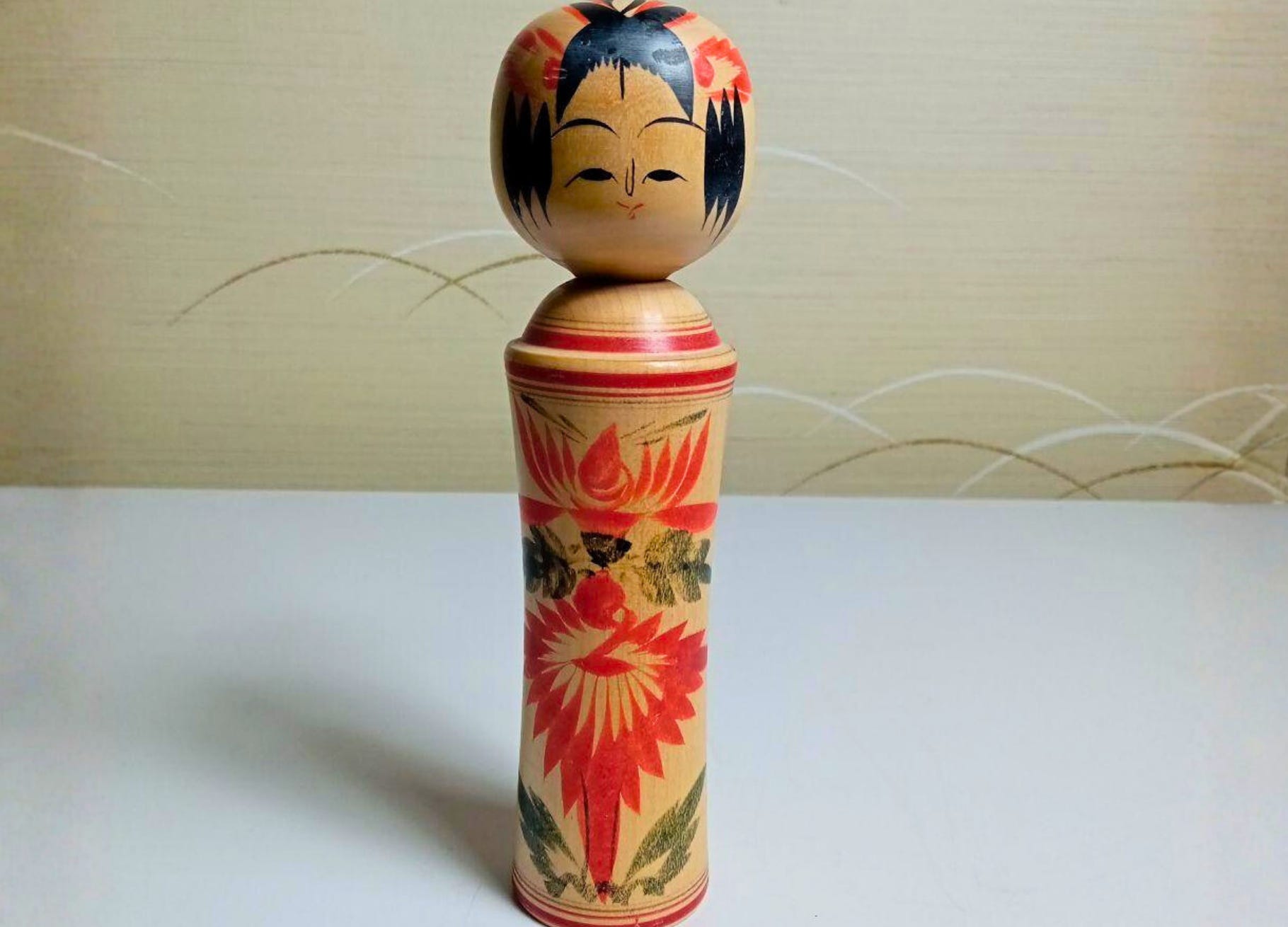
Do we really need that many things? Is it necessary to keep producing new items every single day? If we take a moment to look around, we’ll notice just how many things we’re surrounded by. Especially in Japan, the phrase “good cost performance” has become so common that more and more people seem to be opting for cheaper items.
But many of these inexpensive goods break easily—or we get bored of them quickly. And since they’re so cheap, we tend to toss them without a second thought—saying things like, “No big deal. I’ll just get a new one.”
As we continue to be swept along by this wave of capitalism, I feel like we’re slowly losing touch with the original Japanese spirit of mottainai—the sense that wasting something is deeply unfortunate.
A Glimmer of Hope
Still, I’ve noticed some hopeful trends. Recently, smartphone apps that allow users to buy and sell secondhand goods directly with one another have become increasingly popular. All it takes is a small transaction fee when something sells. Items can be shipped anonymously, and payments are handled entirely within the app. It’s a system that makes buying and selling incredibly easy and safe for everyone.
Items often exchanged on these platforms include still-working appliances, clothes people no longer wear, and kitchenware. While many of the listings are fairly new, older items—especially those from the 1970s—have also found surprising popularity. These so-called Shōwa retro goods include folk crafts, small trinkets, dishware, and furniture. Their nostalgic charm and emotional warmth seem to resonate with more and more people.
What Sparked My Own Journey
There were two major moments that pushed me to start selling vintage items myself.
One was when I moved into my current home. This house once belonged to my landlord’s parents. After they passed away, it sat empty for quite some time. When I visited it for the first time, I fell in love with it and told the landlord right away that I’d like to move in.
At the time, however, the house still held all of the late parents’ belongings. The landlord, who lived far away and was advanced in age, said they would come and clear everything out before renting it to me—but also admitted it would be difficult. So I suggested that the landlord retrieve only the valuables, and I would take care of clearing out and cleaning the rest. The landlord was incredibly grateful.
Once I started cleaning, I was surprised to find so many items that had been immaculately preserved. It seemed the parents had been very meticulous. Even older things had been carefully boxed up and were in excellent condition—still perfectly usable today.
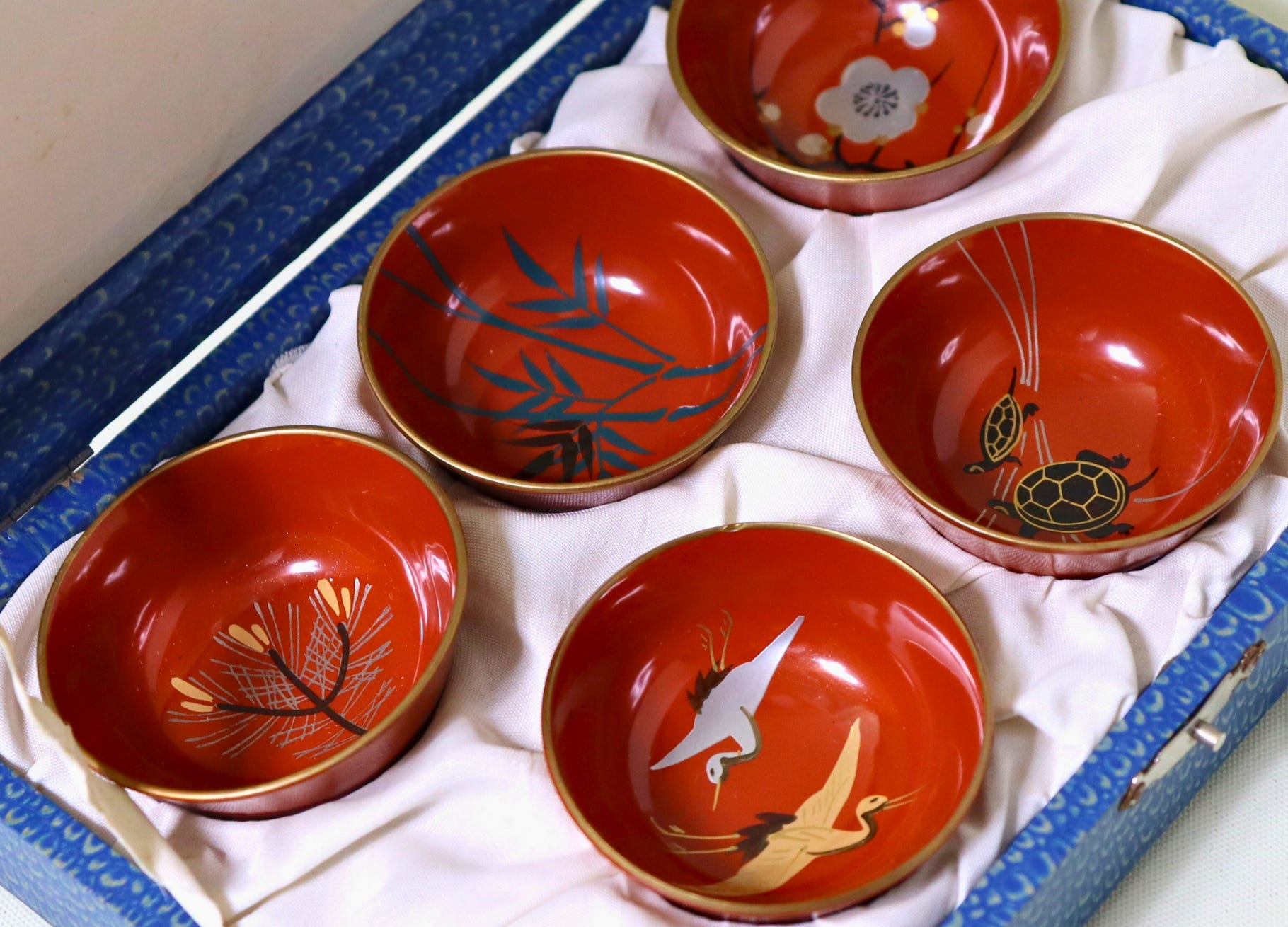
The second moment came when my uncle moved into an assisted living facility. He had lived alone in an apartment for many years. As he got older, he seemed to give up on cleaning and organizing, and his home became overwhelmed with stuff. It was hard to even find a place to step.
What shocked me most was the sheer number of cheap, nearly identical items we found. He must have forgotten what he’d already bought—or perhaps, for him, the act of purchasing had become the goal itself.
It took several weeks to clear everything out. Most of the work was simply throwing things away. Because so many of the items were inexpensive and had no one to take them, I felt a sense of mottainai, but there wasn’t much else I could do.
As the mountain of garbage slowly disappeared, however, we began uncovering older items buried beneath it all. They were in good condition, barely used, and crafted with a level of care rarely seen today. Many of them aren’t even made anymore.
I didn’t need most of them for my own life. But still, it felt wrong to just throw them out. More than anything, it felt like I’d be erasing a piece of tangible memory from another era. And so, I decided to bring all of them back home with me.
Warmth in Old Things
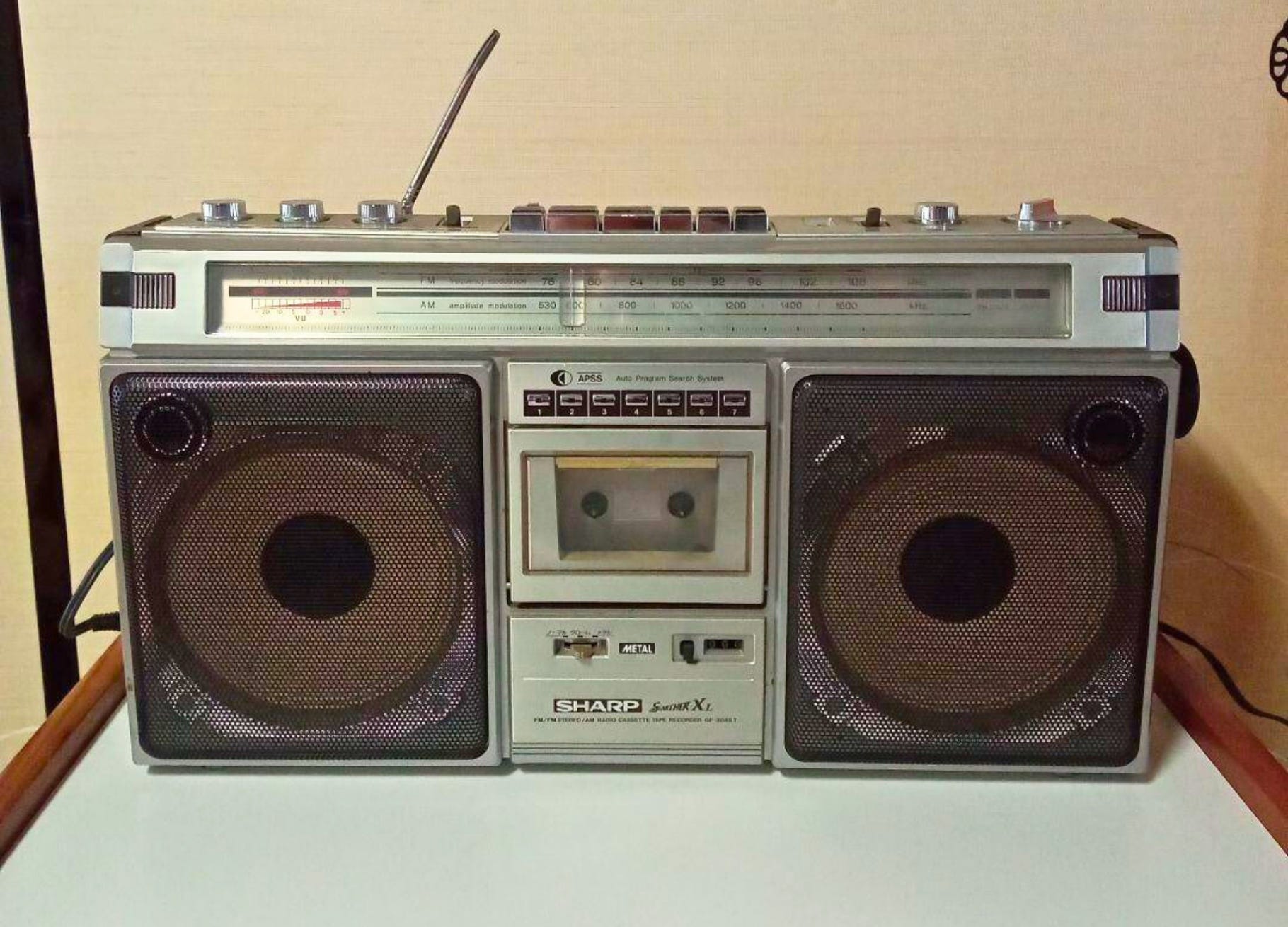
When I looked closely at these old objects, I saw how unique and full of personality they were. Unlike today’s sleek, minimalist designs focused on efficiency, these items radiated a kind of warmth. Their appearance carried the atmosphere of the era in which they were made.
Among the discoveries were little folk crafts and ornaments—likely souvenirs from trips. Slightly clumsy, yet undeniably charming, they had a way of lifting the heart.
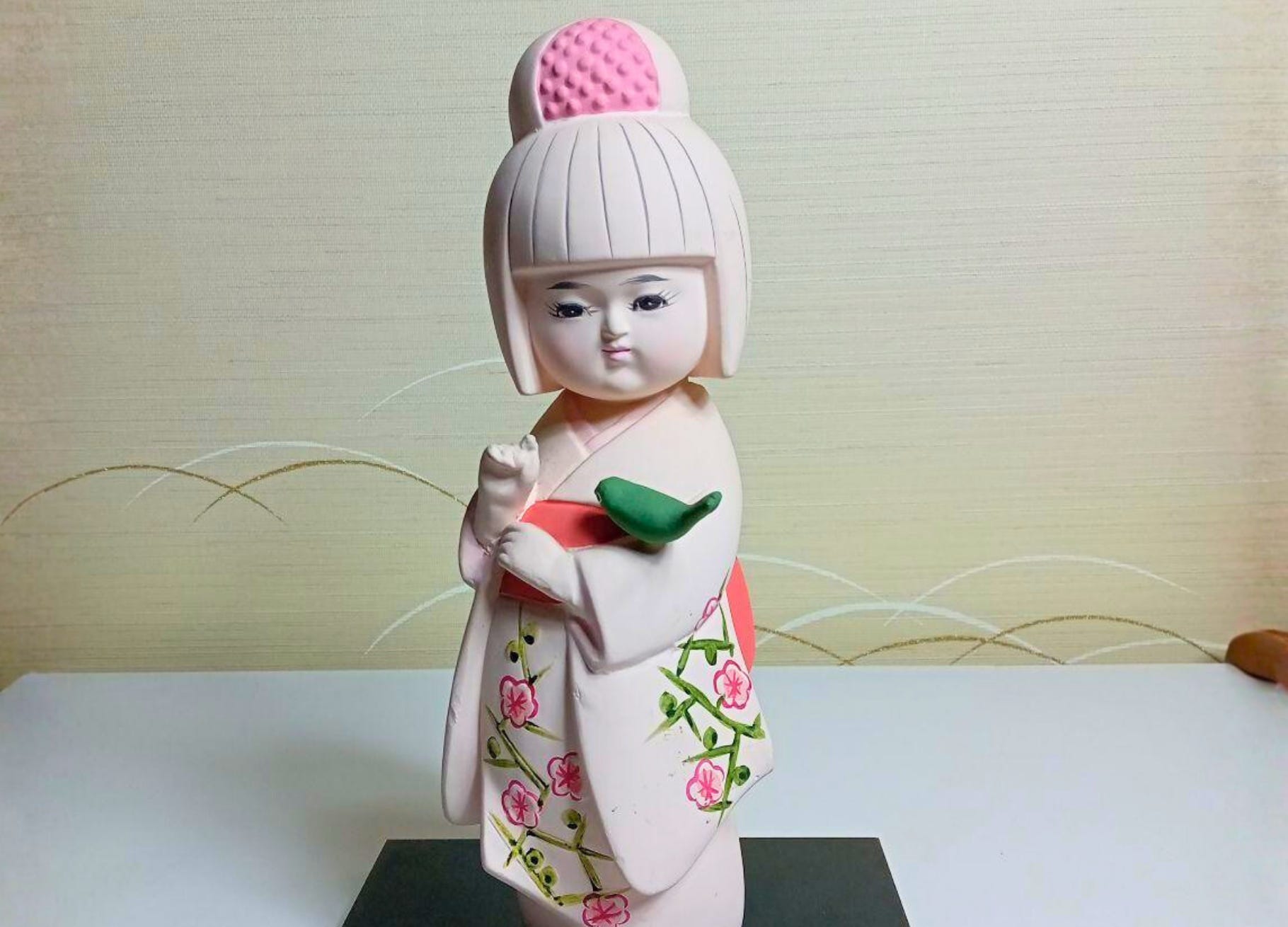
I had originally moved to the countryside in search of a simpler life, but before I knew it, my home was becoming crowded again. Still, I found the situation amusing—somehow, it felt like a very “me” kind of problem.
That’s when it occurred to me: perhaps there’s someone out there who would see these items and think, “This is exactly what I’ve been looking for.” If so, wouldn’t it be far more meaningful for these things to be loved and used again by someone else?
And so, I began to sell these nostalgic treasures—old Japanese items imbued with the essence of the Shōwa era—one piece at a time.
Several of these items have already found their way into new hands. Each person who bought them seemed to connect with something in them. One buyer even left a comment saying, “I’ve been searching for something just like this.”
I imagine these things are still being used and appreciated somewhere. It’s a comforting thought that brings me quiet joy.
What I Learned Through the Process
Even old things can have unique value when paired with the passage of time.
Anything can find its way to someone who needs it, as long as it’s made visible.
Mass-produced, inexpensive items rarely grow in value over time.
In an age when resources were scarce, people made things to last. They were thoughtfully designed and carefully crafted, with durability in mind. And many of those items still hold up today.
In fact, I believe that in a world overflowing with things, choosing to care for the irreplaceable is a powerful and beautiful act.
The platform I use has recently made it possible for buyers overseas to purchase items via official intermediaries. If you’re interested in nostalgic Japanese objects from decades past, I hope you’ll take a look.
I am glad to find you here. I always love your food writing, and now this as well.